who we are
COPE-USA is a 501(c)(3) nonprofit that was incorporated in Virginia in 1999 to perform international humanitarian work.
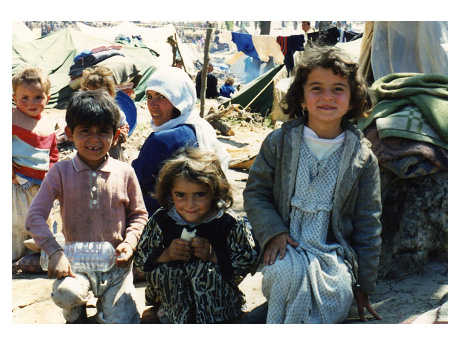
The idea for the organization emerged in a Kurdish refugee camp in southern Turkey in the aftermath of the First Gulf War.
what we do
We build sustainable, indigenous capabilities to solve problems
at home and in democracies, where resources are few and people are in difficult situations.
Our major program work is now in the USA.
philosophy
We don't dwell on philosophy.
We have no agenda except accomplishing program objectives.
We develop and implement practical, comprehensive,
long-term, self-sustaining solutions to real problems.
Our perspective is that people are inherently capable of handling
their own problems if they have a practical means (capability), a feasible way to apply the capability (opportunity), and a viable way of sustaining themselves (typically, long-term, paid employment).
Our role is to create the opportunities, develop the means and methods, guide and implement efforts, and leave in place a
self-sustaining capability when people can handle it without us.
We are always at the end of the phone or a plane ride away if needed, but success is defined as leaving in place a
long-term, self-sustaining capability.
our model
One size does not fit all but our model has worked pretty well
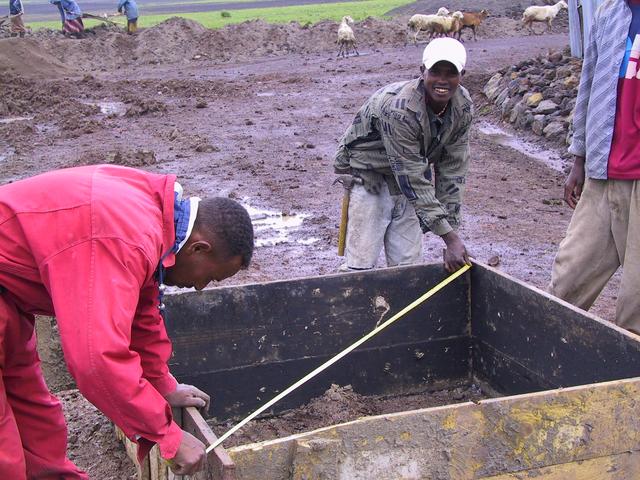
for a broad range of needs and issues, from construction to applied medical research.
We design and adjust the program to fit reality and the situation
to accomplish the program objectives.
We provide training, but think training is not enough.
Trained people will migrate to any job that enables them to support themselves and their families,
so we align the training and education
with long-term sustainable employment.
We "graduate" people into real jobs.
Sometimes we find the jobs, and sometimes we build a company that will be owned and run by local people (not us) to create the jobs.
Viable, profitable, long-term employment at the end of training is probably the best way to keep people in the field for which they were trained, to support themselves and their families,
and provide the services that their community and country need.